USA: pancreas-and-kidney transplant Survivor Emerges From Years of Dialysis to Near-Normal Life
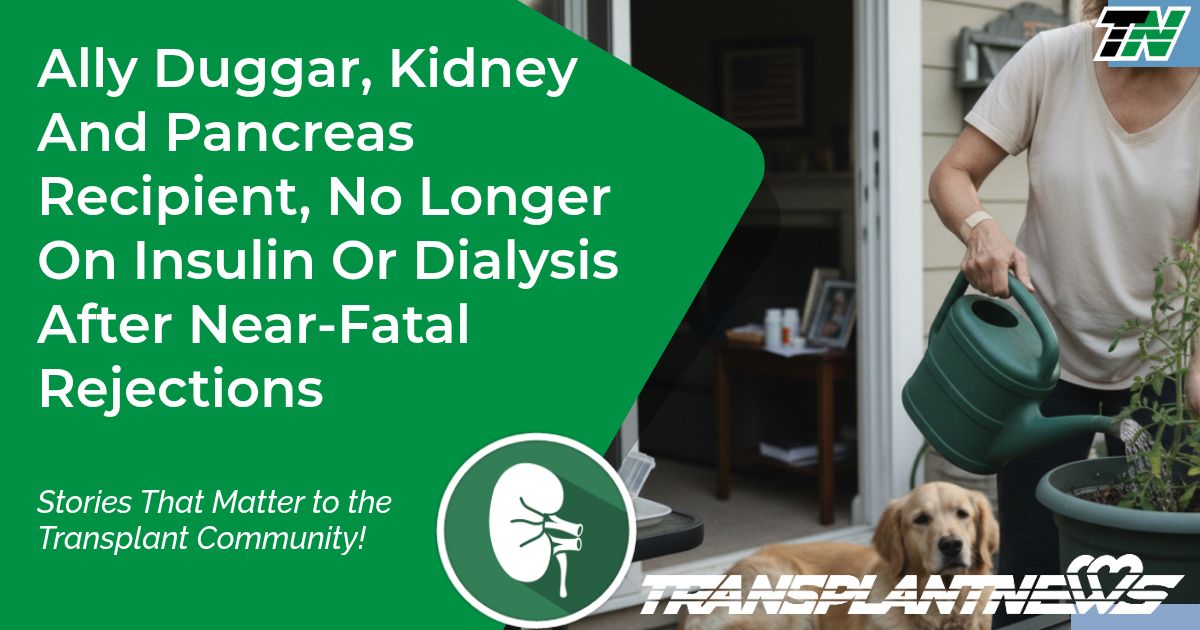
USA: Ally Duggar is approaching one year after receiving a simultaneous pancreas and kidney transplant in February 2025 and the surgery has radically changed her daily medical needs. The new pancreas now produces insulin so she no longer takes daily insulin; the donor kidney has ended the need for dialysis. The procedure followed four years on dialysis and a years‑long wait for organs, and Ally describes a shift from living inside a cautious bubble to resuming ordinary routines with careful precautions.
The early post‑operative months were perilous. Her body endured major surgery, heavy immunosuppression and two documented rejection episodes that required urgent hospitalization and high‑dose steroids and other immune‑suppressing drugs. She also experienced a serious infection after a minor thumb puncture while gardening, an incident that led to a five‑day hospital stay because her suppressed immune system allowed skin bacteria to invade. Those first months featured strict avoidance of crowds, masks, gloves while gardening, and limits on interaction with pets until her team cleared her for more normal activity.
Ally still carries the long‑term realities of transplantation: ongoing immunosuppressive medication, vulnerability to infection, and close follow‑up. Her original pancreas remains intact and continues to make digestive enzymes, while the transplanted pancreas supplies insulin; her original kidneys have shrunk after failing, and the donor kidney was small because the donor was 15 years old. She reports occasional low blood sugars in the 50s and has not adopted a continuous glucose monitor, relying instead on symptoms and her dog’s alerts.
The conversation also touched on the rarity of combined pancreas‑kidney transplants, with only about 10–12,000 performed globally since the late 1980s, and on research advances that could alter immunosuppression and diabetes care. New biotech approaches and a recent Stanford mouse study were mentioned as reasons for guarded optimism, but Ally emphasizes cautious hope and the ongoing need for medication, monitoring and respect for the transplant’s lifelong implications.